
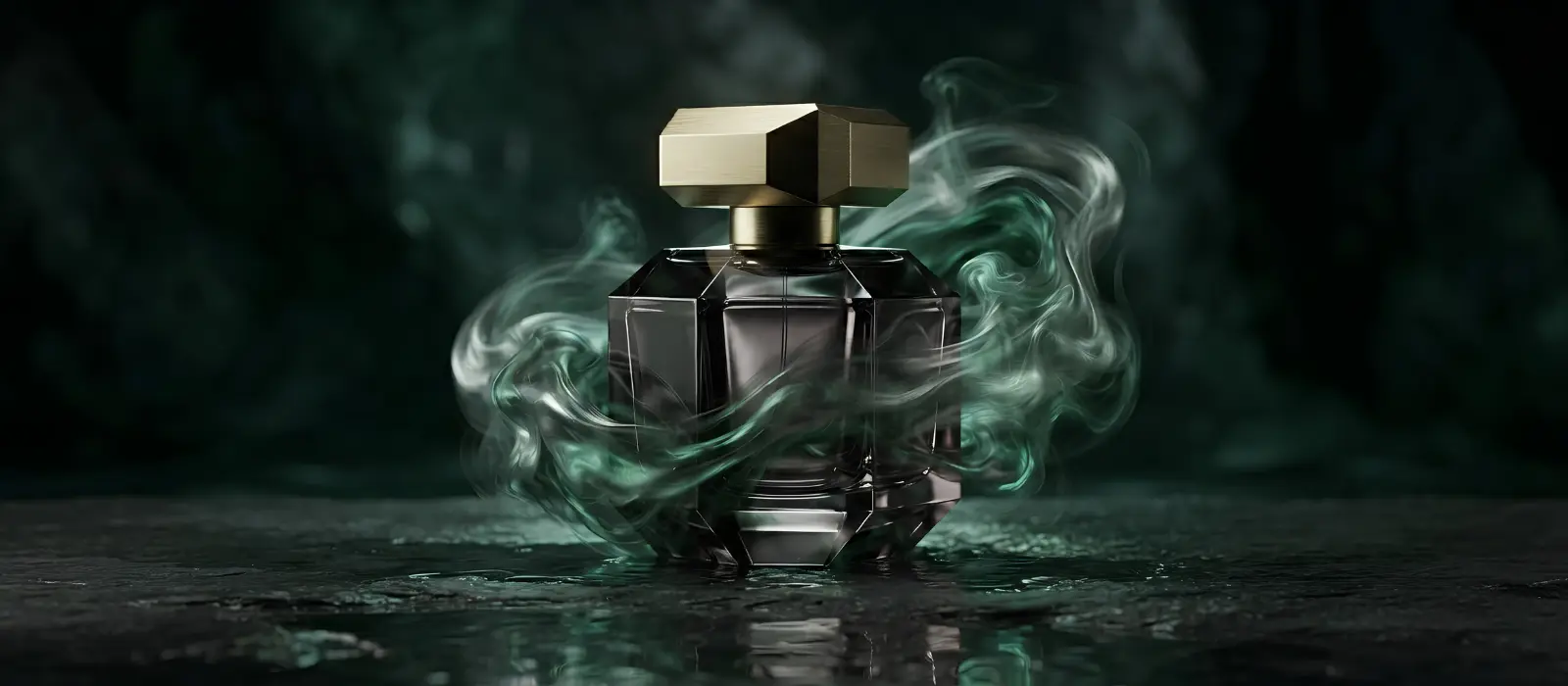
Have you ever caught a sudden whiff of a specific fragrance in the air and instantly felt transported back to a childhood memory, a long-forgotten place, or a special moment in time? It happens in a split second, yet it feels almost magical. This captivating phenomenon sits right at the heart of the mystery of perfume. Long before modern luxury bottles lined our dressing tables, ancient civilizations used aromatics as a sacred bridge between the physical earth and the divine. In fact, the word perfume originates from the Latin phrase per fumum, meaning "through smoke."
Today, the mystery of perfume goes far beyond ancient history or simple vanity. It is a complex blend of psychology, organic chemistry, and biology. When you shop for a signature scent—especially when exploring curated collections at S. Fragrance—you are not just buying a pleasant aroma. You are investing in an invisible emotional accessory that changes how you feel and how the world perceives you. Let’s dive deep into the fascinating layers that make fragrance one of the most intriguing creations known to humanity.
The Science of Scent and Memory: The Proust Phenomenon
The most powerful aspect hidden within the mystery of perfume is its direct pipeline to our deepest emotional centers. To understand why a fragrance can make us feel nostalgic, joyful, or even melancholic, we have to look at human neurology.
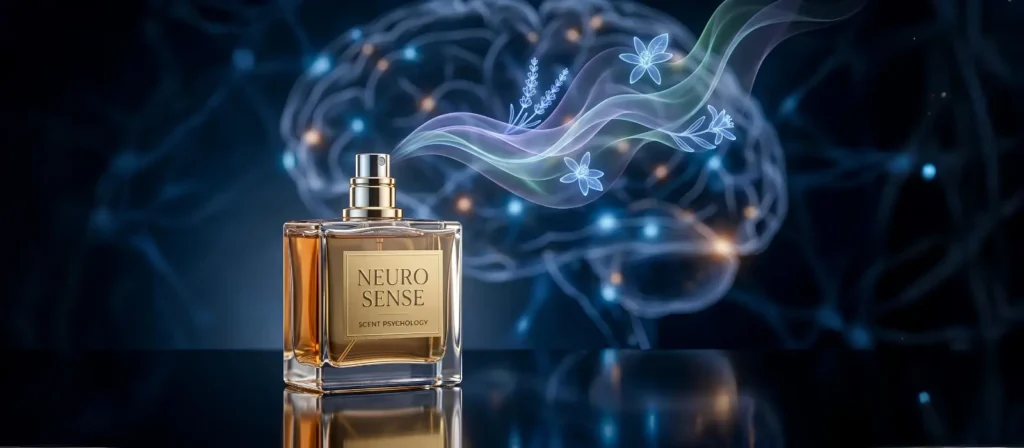
Unlike our other senses—such as sight, sound, or touch—which pass through the brain’s relay station (the thalamus) before being processed, olfactory signals take a much more direct route. When you inhale a scent, chemical molecules travel up the nose and bind to olfactory receptors. This signal shoots straight to the limbic system, which houses both the amygdala (emotional processing) and the hippocampus (memory formation).
This neurological shortcut is scientifically known as the Proust Phenomenon. Because smell bypasses rational thought and hits raw emotion first, a bottle of perfume acts almost like a time machine. Whether it is the crisp citrus note of a summer holiday or the deep, warm musk of a cherished loved one, a single spray can unlock memories you did not even realize you still remembered.
Why Does Perfume Smell Different on Everyone?
One of the greatest puzzles people encounter is testing a fragrance on a friend or reading a glowing review, only to find that the exact same bottle smells entirely different—and sometimes disappointing—on their own skin. This brings us straight to another major layer of the mystery of perfume: individual skin chemistry.No two human beings have the exact same biological makeup, and your skin is a living chemical laboratory. Several factors dictate how a fragrance evolves once applied:
⚬ Skin pH Levels: Highly acidic skin tends to break down perfume notes much faster, often making floral or sweet scents turn sour or sharp. Balanced or alkaline skin types hold onto fragrance molecules longer, allowing deeper notes to bloom.
⚬ Natural Body Oils: Perfume oils bind to the natural lipids on your skin. People with naturally oilier skin retain scents much longer and more intensely, while dry skin causes fragrances to evaporate quickly.
⚬ Diet and Body Temperature: What you eat, your metabolic rate, and your core body temperature subtly shift how volatile aroma compounds react in the air around you.
Because of this unique chemical reaction, your signature scent becomes entirely bespoke. What smells like a sharp, aquatic breeze on someone else might transform into a warm, powdery masterpiece on your skin. Finding a bottle that complements your body chemistry is an art form in itself, one that you can easily explore when browsing through the diverse range available at S. Fragrance.
The Anatomy of a Fragrance: Top, Heart, and Base Notes
To truly appreciate the craftsmanship behind a great bottle, you need to understand how a scent unfolds over time. Much like a compelling story, a luxury perfume is built in distinct chapters. Master perfumers design compositions using a classic pyramid structure:
1. The Top Notes (The First Impression)
These are the lighter, volatile molecules that hit your senses the moment you spray the bottle. Typically consisting of crisp citrus fruits, light herbs, or aquatic notes, top notes grab your attention immediately. However, because they evaporate rapidly, they usually vanish within the first 15 to 30 minutes.
2. The Heart or Middle Notes (The True Character)
Once the top notes fade away, the heart notes emerge to define the core personality of the fragrance. Usually rich florals, spices, or fruity accords, these notes begin to blend smoothly with your body chemistry. They typically last for a few hours and form the emotional bridge of the perfume experience.
3. The Base Notes (The Lasting Legacy)
The base notes are the heavy, dense molecules that anchor the entire composition. Ingredients like rich oud, warm amber, earthy patchouli, sensual musk, and sweet vanilla fall into this category. Base notes slowly develop over hours, lingering on your skin, clothes, and memory long after you have left a room.
The Psychology of Fragrance and Attraction
Can a fragrance actually make someone more attractive? While science debates the exact role of human pheromones in modern mating rituals, the psychological impact of scent on confidence and attraction is undisputed.
When you wear a perfume that makes you feel powerful, sophisticated, or deeply comfortable, your body language shifts. You stand taller, speak with greater assurance, and project a quiet magnetism. Furthermore, certain fragrance families are scientifically proven to trigger specific psychological responses:
⚬ Vanilla and Amber: Create an instinctive sense of warmth, safety, and physical closeness.
⚬ Woody and Oud Notes: Project authority, mystery, and grounded elegance.
⚬ Fresh Citrus and Mint: Communicate high energy, cleanliness, and youthful vibrancy.
By choosing a scent that aligns with your inner personality, you create an invisible aura that speaks volumes before you even utter a single word.
Practical Tips: How to Make Your Perfume Last Longer
Because fine fragrances are an investment, experiencing them fading away too quickly can be frustrating. To unlock the full performance potential of your collection, keep these expert application tips in mind:
⚬ Hydrate Your Skin First: Perfume molecules cling significantly better to moisturized skin. Apply an unscented lotion or body oil before spraying your fragrance.
⚬ Target Pulse Points: Apply perfume to areas where blood flows close to the skin's surface—such as your wrists, the sides of your neck, behind your lobes, and inside your elbows. The natural warmth of these zones helps diffuse the scent throughout the day.
⚬ Never Rub Your Wrists: A common habit is rubbing wrists together after application. However, this friction generates heat that breaks down the delicate top notes instantly, ruining the intended evolution of the scent profile.
⚬ Store Properly: Direct sunlight and fluctuating bathroom temperatures are the enemies of perfume oils. Keep your bottles in a cool, dark, dry place to preserve their chemical integrity.
Conclusion
The enduring mystery of perfume lies in its ability to transform the mundane into the extraordinary. It is an invisible signature, a psychological mood booster, a historical artifact, and a deeply personal expression of identity all packed into a single glass bottle.
Whether you are searching for a bold, head-turning statement piece for special evenings or a subtle, refreshing daily wear signature, understanding the science and structure of scent changes how you experience the world. Ready to uncover your next unforgettable aroma? Explore the exquisite, long-lasting blends waiting for you today at S. Fragrance and find the scent that tells your unique story.

Comment (1)
Great post, learned a lot!