
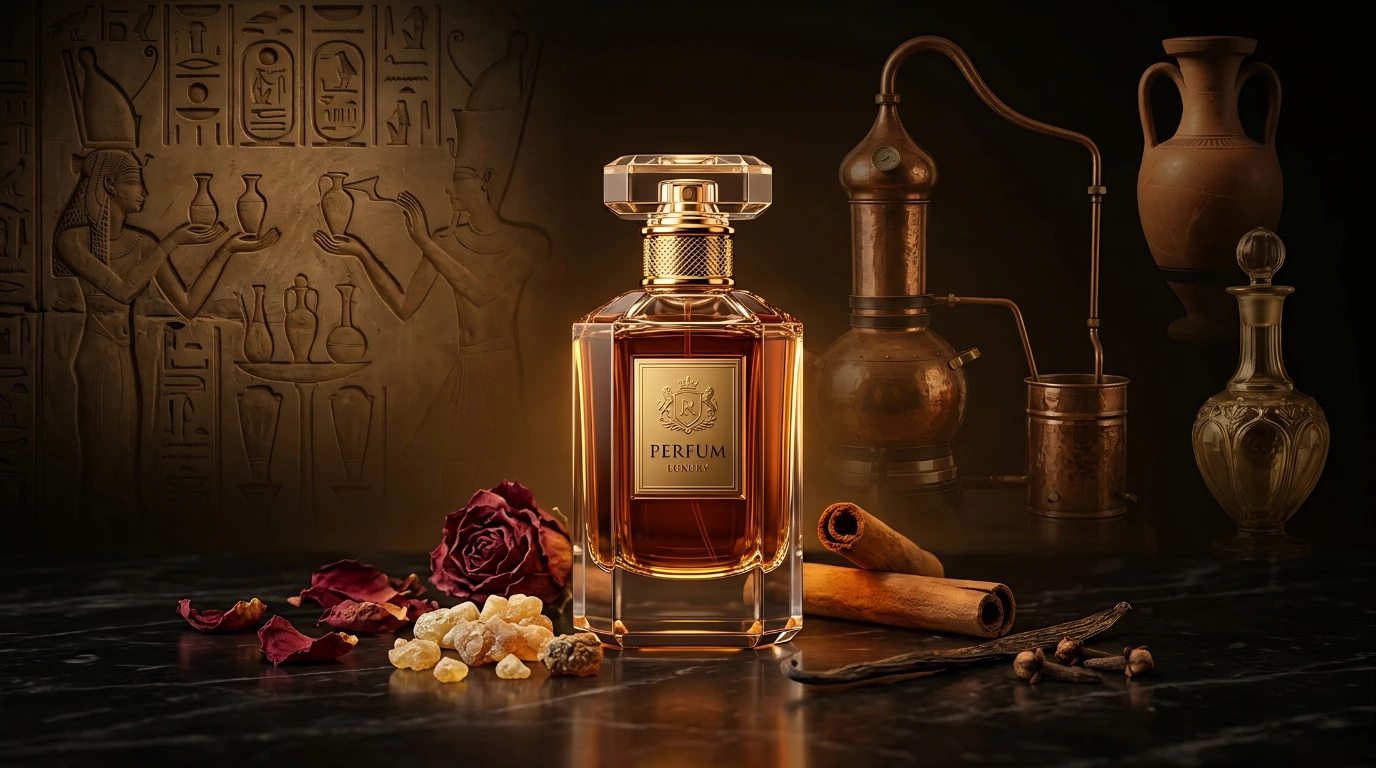
A luxury scent is far more than an olfactory pleasure. It serves as an emotional anchor, an invisible extension of your style, and a silent language of true sophistication. Long before fashion houses designed haute couture, humanity was deeply captivated by the psychological power of aroma. A single scent profile has the unique ability to alter moods, command respect, and project an aura of effortless elegance.
The history of perfume is a grand, thousands-of-years-old chronicle of royalty, divinity, and masterful chemistry. It bridges the ancient world with modern luxury. To truly appreciate the premium fragrances we wear today, we must journey back to the sacred altars where this beautiful obsession was born.
Driven by Smoke: The Mesopotamian Birth

The modern word "perfume" hides a mystical, atmospheric secret within its etymology. It is derived from the Latin words "Per", meaning through, and "Fumum", meaning smoke. In the cradle of civilization nearly 4,000 years ago, fragrance was not a liquid mist sprayed from an elegant glass bottle. Instead, it was an ethereal, rising vapor born from fire.
Ancient Mesopotamians discovered that burning certain natural treasures created intoxicating environments. They gathered precious aromatic ingredients like sacred Agarwood (Oudh), rich Frankincense, and dark Myrrh. When thrown into holy fires, these resins released thick, sweet-scented smoke that filled the air.
This fragrant smoke was viewed as a literal, physical bridge between humanity and the gods. The sweeter the smoke, the more pleased the deities would be. Over centuries, these smoky rituals slowly evolved. The elite realized that the lingering aromas could also enhance their private living spaces and personal presence, marking the very first chapter in the history of perfume.
Tapputi-Belatekallim: The Forgotten Mother of Chemistry

Every great artistic industry has a legendary pioneer. For the art of perfumery, that pioneer was a brilliant Babylonian woman who lived around 1200 BCE. Her name was Tapputi, and she is officially recorded on ancient cuneiform clay tablets as the world’s first perfume maker and chemist.
Tapputi was not merely a casual hobbyist. She held the elite title of "Belatekallim", which translates to the female overseer of the royal palace. Her primary responsibility was to formulate exquisite, rare scents exclusively for the Babylonian king and the high courts.
[ Ancient Mesopotamian Tapputi Method ]
Raw Botanicals ──> Cold Oil Extraction ──> Advanced Filtration ──> Royal Scents
Her chemical techniques were thousands of years ahead of her time. She developed complex methods of cold oil extraction and early liquid distillation. Tapputi meticulously mixed flowers, calamus, myrrh, and rare carrier oils, filtering them repeatedly to create concentrated perfume balms. Her written tablets laid the foundational rules for the entire science of scent extraction.
The Nile and the Goddesses: Ancient Egypt’s Perfumed Kingdom
Ancient Egypt took the basic chemistry of Mesopotamia and transformed it into a total cultural obsession. In Egyptian society, fragrance was deeply woven into high society lifestyle, medicine, and intense spirituality. They even worshipped a dedicated god of perfume named Nefertem, who was symbolized by the beautiful blue lotus flower and associated with health and healing.
No historical figure utilized the seductive power of fragrance quite like Queen Cleopatra. She understood that a luxury scent could be weaponized as a tool of immense political power. Legendary Roman texts reveal that before meeting Mark Antony, Cleopatra ordered the sails of her royal ships to be heavily soaked in custom-crafted premium fragrances.
As her fleet glided down the Nile, the Mediterranean winds carried the breathtaking aroma to the shore. The public and Roman rulers were completely charmed by her presence before her ships were even visible.
The Egyptians also mastered the creation of "Kyphi", a legendary royal incense made of sixteen secret ingredients, including honey, wine, raisins, and rare resins. Perfumes were considered so vital for the soul that heavy stone jars filled with expensive aromatic ointments were buried inside the tombs of Pharaohs like King Tutankhamun. These sacred scents were meant to grant them an aura of eternal luxury in the afterlife.
The Golden Islamic Era: The Chemists Who Changed Scent Forever

Throughout antiquity, perfumes remained heavy, thick, sticky ointments and greasy oils. They were difficult to apply, uncomfortable in high heat, and spoiled quickly. The true global revolution of liquid fragrance occurred during the spectacular Golden Islamic Era.
Muslim scientists completely reimagined the landscape of fragrance creation. In the 9th century, the famous Arab philosopher and scientist Al-Kindi wrote a monumental book titled "The Book of the Chemistry of Perfume and Distillations". This masterwork contained more than one hundred secret recipes for aromatic oils, fragrant waters, and advanced substitution methods for rare ingredients.
[ Ibn Sina's Distillation Breakthrough ]
[Delicate Rose Petals] + [Controlled Steam] ──> [Pure Essential Oil Isolated]
Following Al-Kindi's work, the legendary Persian polymath Ibn Sina (Avicenna) changed the history of perfume forever. He perfected the intricate process of steam distillation. By using controlled steam, he successfully extracted the pure essential oils from delicate rose petals without burning them.
This chemical breakthrough resulted in the creation of pure rosewater and alcohol-free, highly concentrated liquid fragrances. This instantly birthed the rich, global history of attar, positioning the Islamic world as the undisputed capital of luxury scent trading.
The Mughal Opulence: Subcontinent's Royal Fragrance Heritage
As the secrets of advanced distillation spread, it found a deeply passionate home in the royal courts of the Subcontinent. The Mughal Emperors were absolute connoisseurs of luxury, and they treated the art of perfumery with immense respect. The shahi courts of Delhi, Agra, and Lahore were constantly filled with the cool, refreshing aromas of pure Ruh Khus, rich Oud, and sweet Jasmine.
Mughal history is packed with romantic stories regarding fragrance. The most famous is that of Empress Nur Jahan, one of the most powerful women of her time.
According to royal archives, Nur Jahan was taking a warm bath in her palace gardens when she noticed a thin, translucent layer of oil skimming the top of the water. She discovered that this oil was formed by the natural condensation of the rose petals floating in the warm water.
This incredibly potent, heavenly liquid was isolated and named Atr-e-Jahangiri in honor of the Emperor. This deep-rooted cultural love for premium, heavy floral and woody notes continues to heavily influence the premium fragrances Pakistan appreciates today.
The European Renaissance & The Unwashed Royalty of France
By the 17th century, the cultural heart of fragrance shifted heavily toward Europe, finding its center in France. However, this artistic boom began out of sheer, desperate necessity.
During this era, European medical beliefs dictated that bathing with water opened the body to dangerous diseases. Consequently, hygiene standards were shockingly low. Even King Louis XIV, famously known as the "Sun King," was reported to have bathed only a few times in his entire life.
To mask the intense, terrible body odors that filled the royal Palace of Versailles, the court was nicknamed "The Perfumed Court." Nobility drenched themselves, their heavy leather gloves, their elaborate wigs, and their royal furniture in massive amounts of heavy perfume every single day.
[ 17th Century France ] [ Modern Evolution ]
Unwashed Nobility ──> Masking Bad Odor ──> Grasse Flower Fields ──> Global Fashion Capital
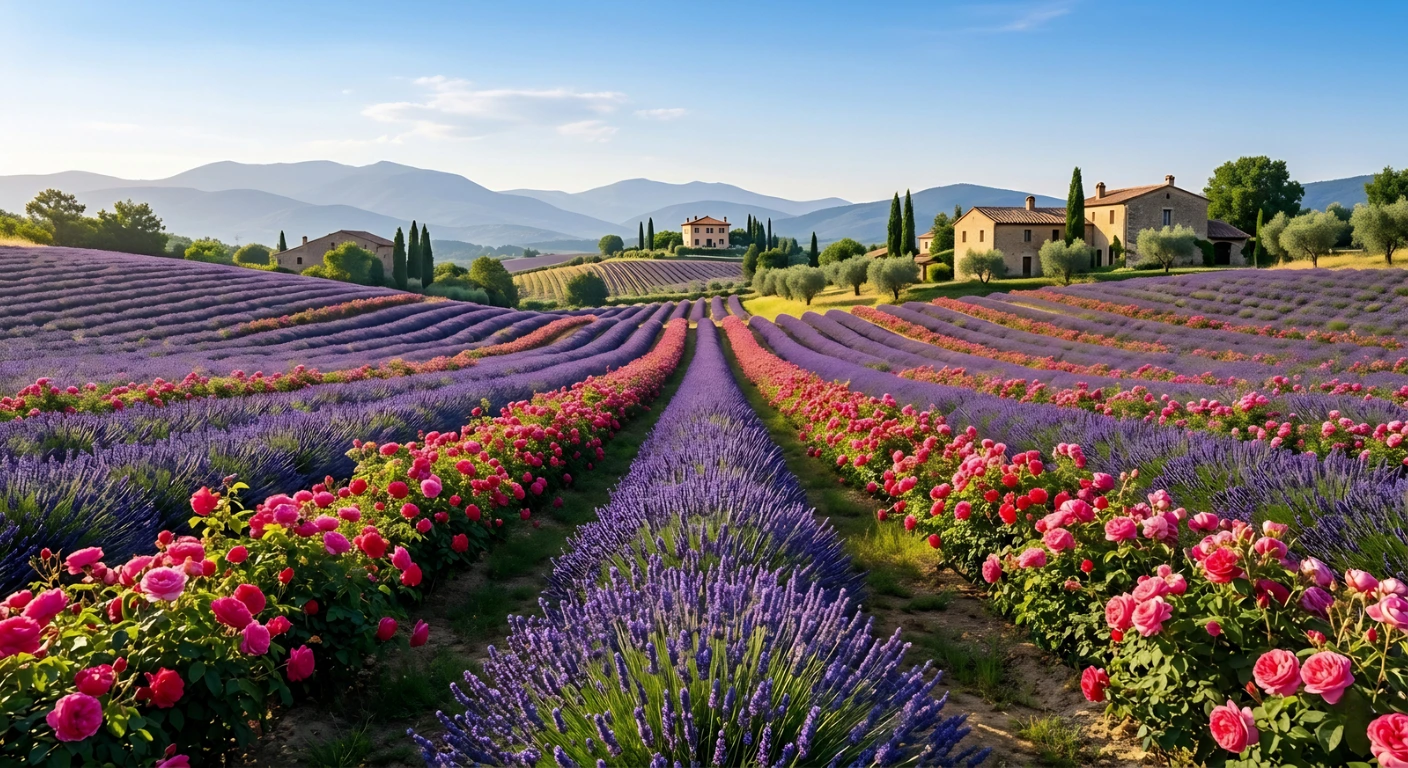
To fulfill this massive royal demand, the small town of Grasse in southern France began cultivating endless fields of lavender, jasmine, and tuberose. Grasse possessed the perfect micro-climate for flower farming, allowing it to quickly evolve into the unchallenged global capital of modern fashion perfumery.
The Modern Science: Notes, Pyramids, and Longevity
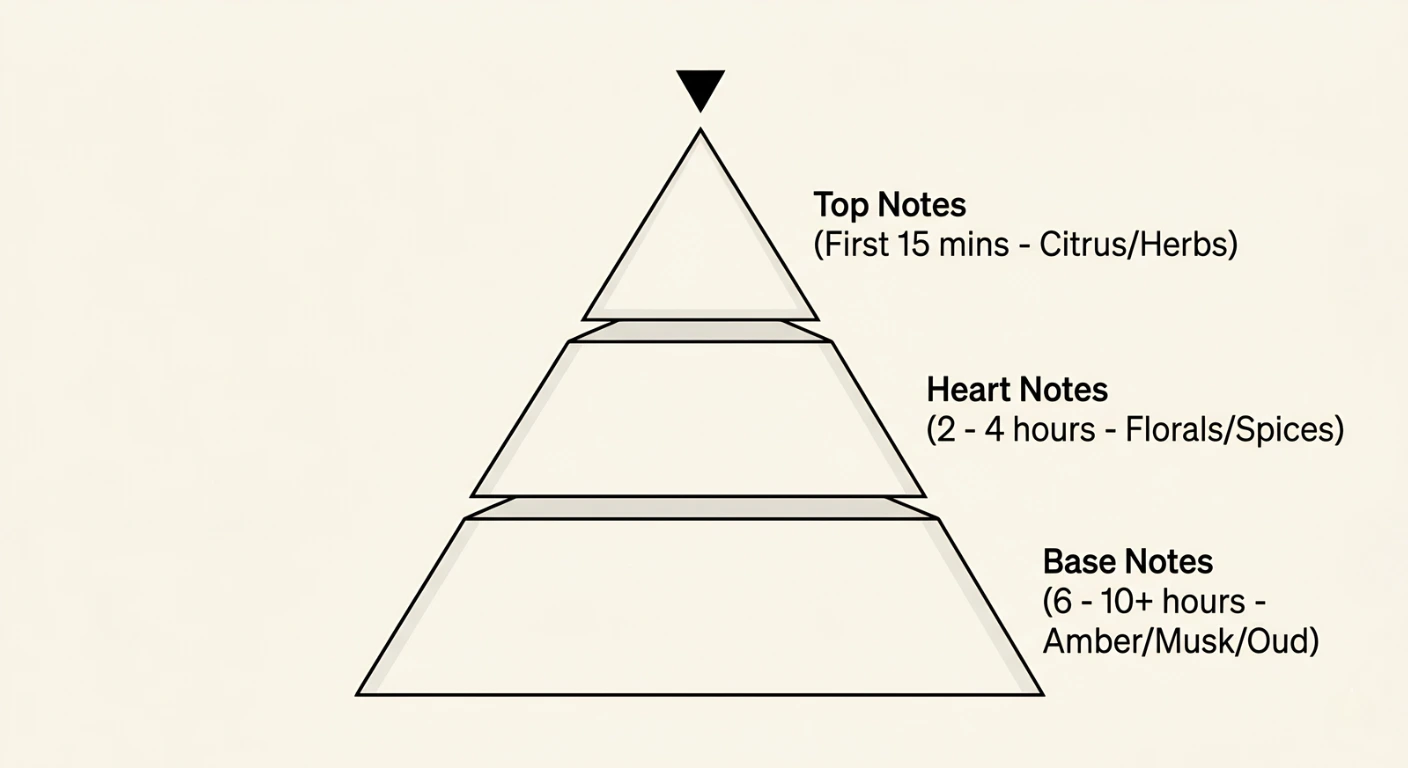
Today, modern perfumery has evolved into an incredibly precise art form governed by the "Fragrance Pyramid." A well-formulated luxury scent is structured into three distinct layers that reveal themselves over time:
• Top Notes: The initial, sharp burst of scent that hits your senses immediately upon spraying (usually bright citruses or light herbs).
• Heart (Middle) Notes: The true personality of the perfume, which emerges after the top notes fade (typically rich florals, spices, or fruits).
• Base Notes: The heavy, foundational anchor of the fragrance that lasts for hours (composed of deep elements like amber, musk, cedarwood, and oud).
The greatest challenge of modern perfumery is managing longevity, especially in hot, humid, and challenging climates. Cheaply made mass-market fragrances are packed with synthetic fillers and low-grade alcohol.
When exposed to high temperatures, these unstable molecules evaporate within minutes, leaving behind no trace of scent. A premium fragrance requires a perfect balance of high-grade essential oil concentrations and stable fixatives to continuously radiate throughout the day.
Preserving the Eternal Art with S. FRAGRANCE
From the spiritual smoke of ancient Mesopotamian altars and the royal innovations of Mughal Empresses to the elite style capitals of modern France, perfume remains humanity's ultimate expression of luxury and identity. It is an art form that directly connects our present style with an eternal heritage of elegance.
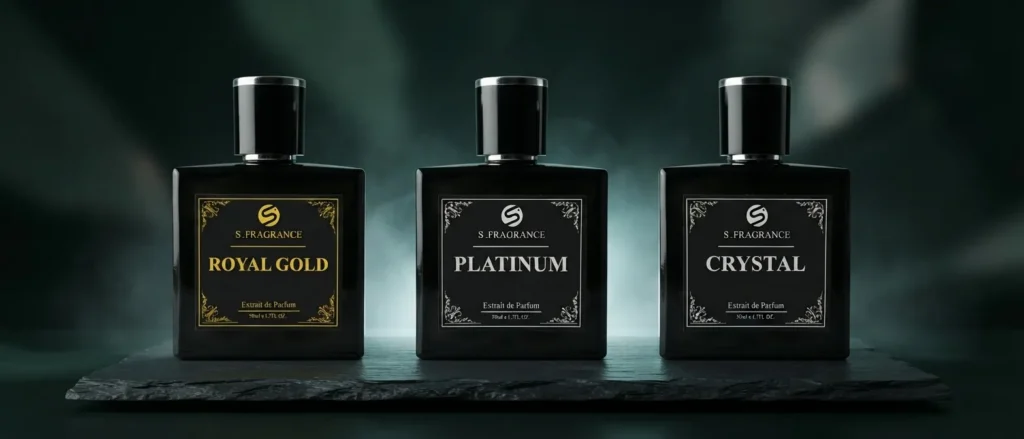
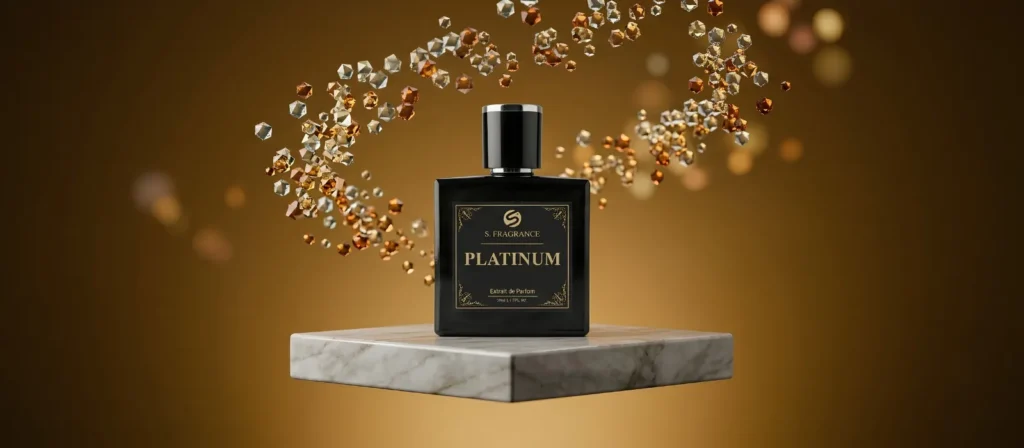
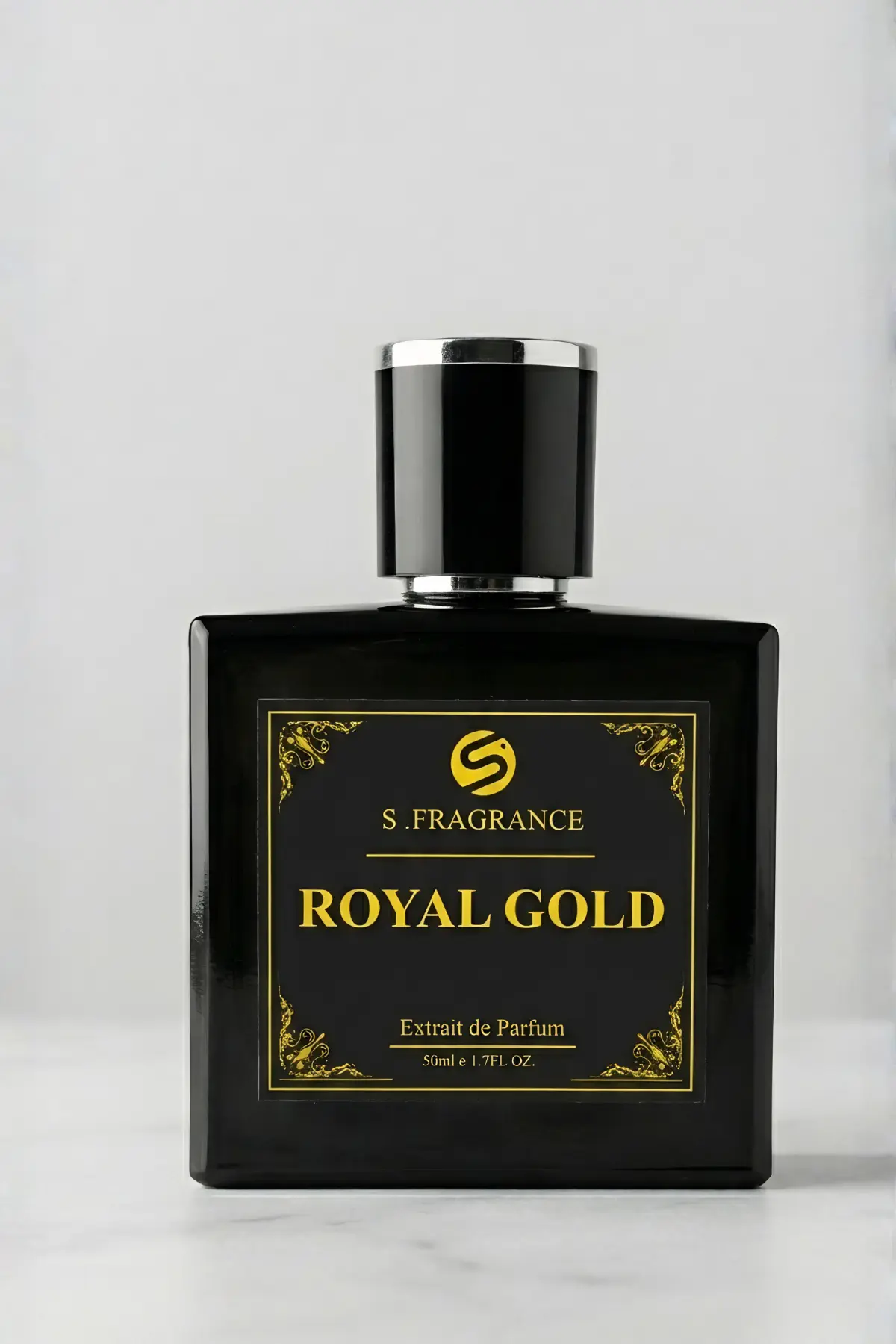
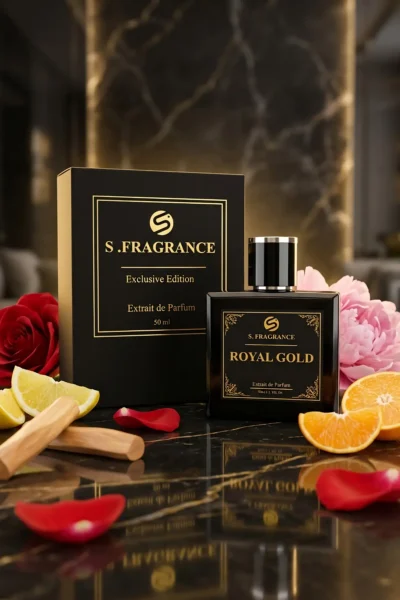
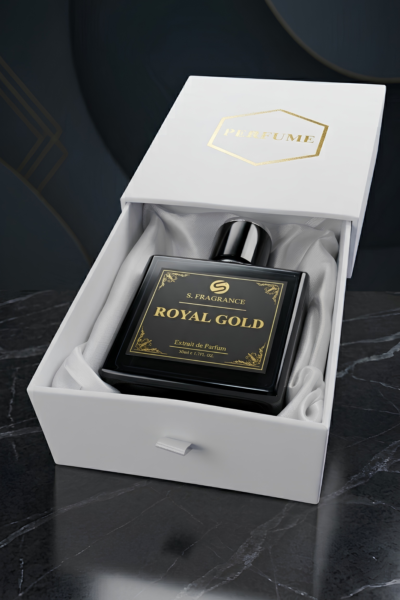
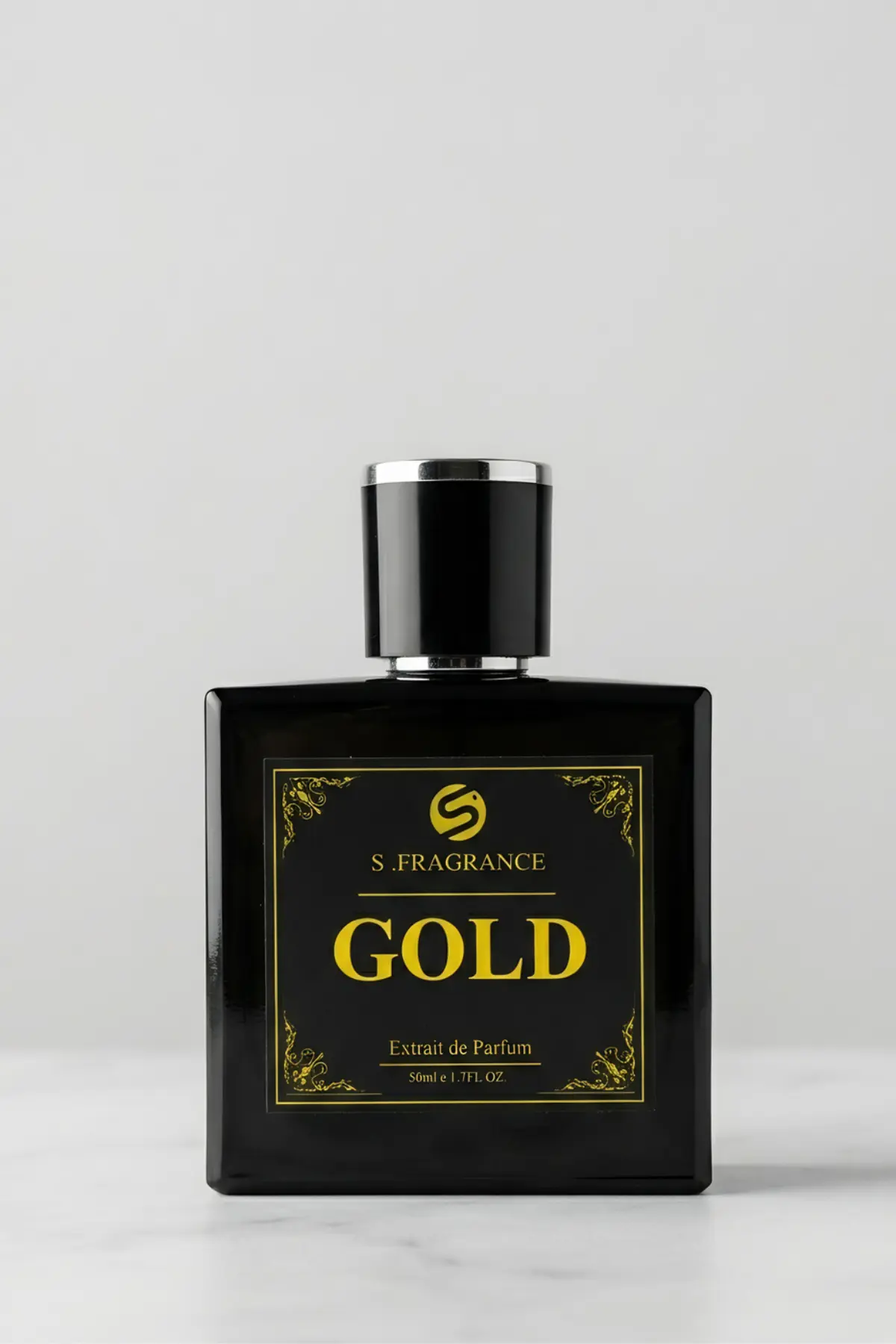
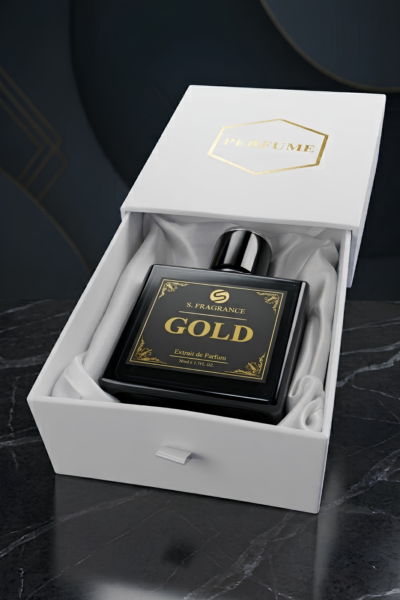
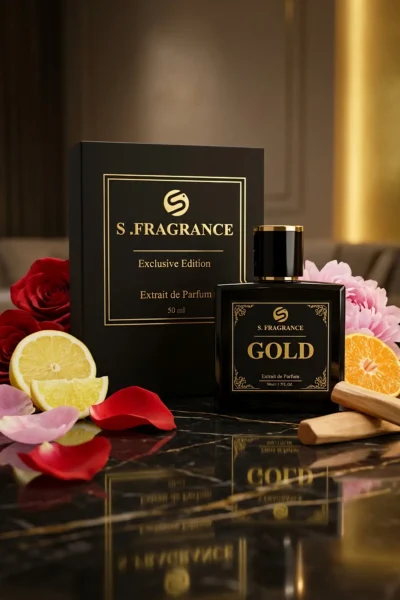
At S. FRAGRANCE, we proudly serve as the modern guardians of this timeless art. We refuse to compromise on the depth, clarity, and performance of a luxury scent. We smoothly merge the centuries-old distillation wisdom of our ancestors with cutting-edge, international formulation standards.
The result? We have successfully engineered some of the best long lasting perfumes in Pakistan. Our fragrances are crafted to withstand the intense local weather, ensuring that your unique invisible signature remains bold, fresh, and captivating from morning until night.
Why settle for ordinary, fast-fading scents when you can wear a true masterpiece of historical art? Explore the curated collection of premium fragrances Pakistan trusts to make a lasting impression.
Visit the S. FRAGRANCE online store today, discover your brand-new signature scent, and unlock your exclusive 10% OFF Welcome Discount by using our website's coupon code (welcome10) at checkout!

Comments (4)
Very useful information
Thnks💗
Excellent