
Have you ever walked past someone and been captivated by a scent so unique, so mysterious, that you couldn’t help but stop and ask what they were wearing? Or perhaps you have a collection of perfumes, but you feel like none of them truly capture your personality anymore.
Welcome to the world of Perfume Layering 101. Fragrance isn’t just a liquid in a bottle; it is an invisible accessory, a silent language that speaks volumes about who you are. Layering—the art of combining two or more fragrances—is the ultimate way to step away from the mass-produced scents and curate a signature aroma that belongs to you alone.
What Exactly is Perfume Layering 101?
At its core, perfume layering is the practice of applying different fragrances to your skin to create a new, personalized scent profile. Think of it like painting on a canvas. You start with a base color and add layers to create depth, intensity, and harmony.
When you layer fragrances, you aren't just mixing scents; you are interacting with the chemical composition of each fragrance. The result is a scent that evolves throughout the day, revealing different layers as your body heat and environment change.
To achieve the perfect scent, follow these guidelines:
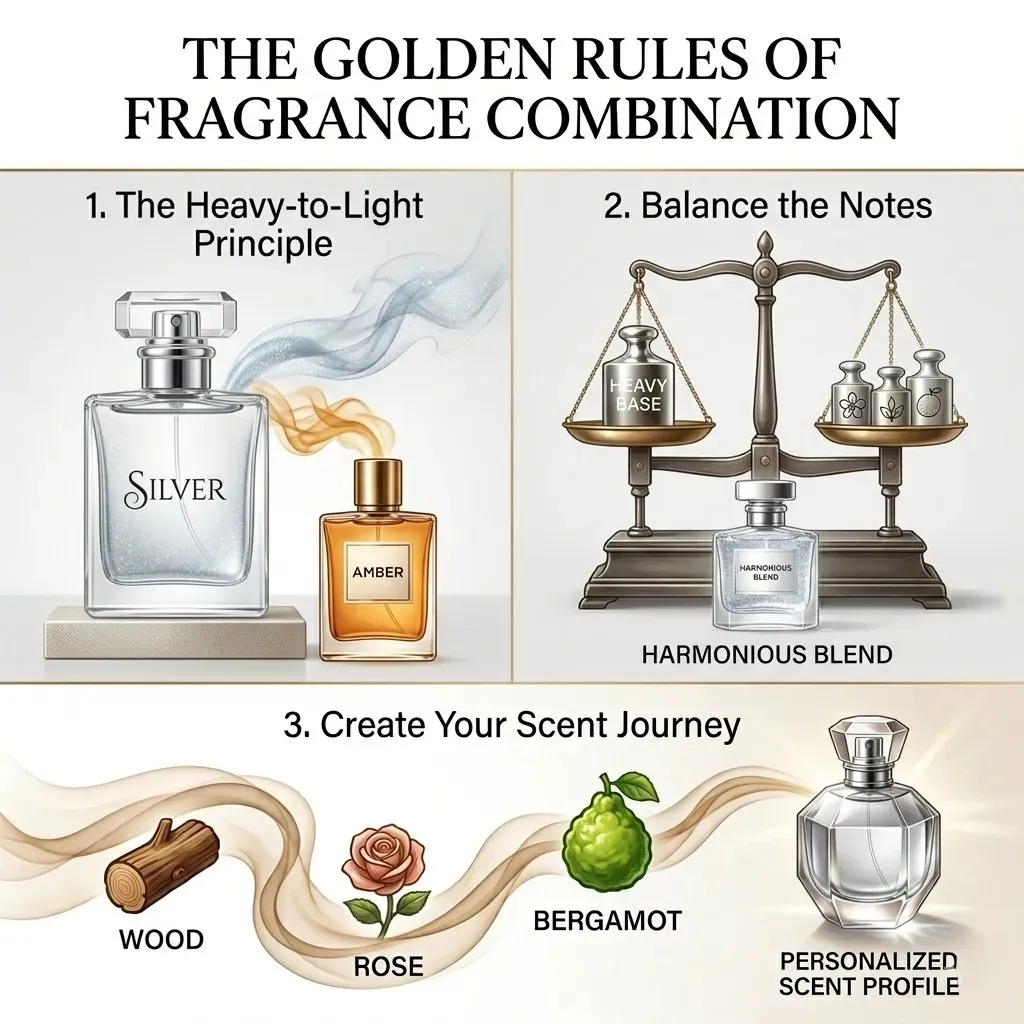
Before you start experimenting, it is important to understand the science behind the art. Layering isn’t just about spraying everything you own at once. To avoid a messy, clashing aroma, follow these three golden rules:
1. The Heavy-to-Light Principle
Always start by applying the "heaviest" scent first. In fragrance terminology, this usually means your base notes (musk, wood, amber, or oud). Once the base is settled on your skin, layer the "lighter" scent—your citrus, floral, or aquatic notes—on top. If you do it in reverse, the heavy scent will simply overpower and drown out the delicate lighter notes.
2. Balance the Notes
Fragrances are built on a structure of Top, Heart, and Base notes. When choosing two scents to layer, look for common threads. If both perfumes share a common note (like vanilla, sandalwood, or jasmine), they are much more likely to blend beautifully together.
3. The "Less is More" Rule
Never layer more than two, or at most three, fragrances. If you use too many, the scent molecules will compete with each other, and you will end up with an olfactory overload that lacks definition.
The Masterpiece Combination: Silver and Crystal

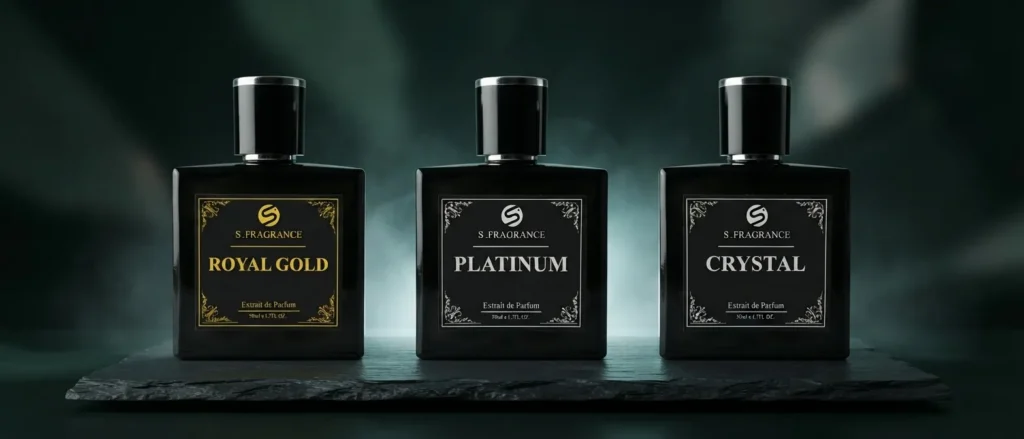
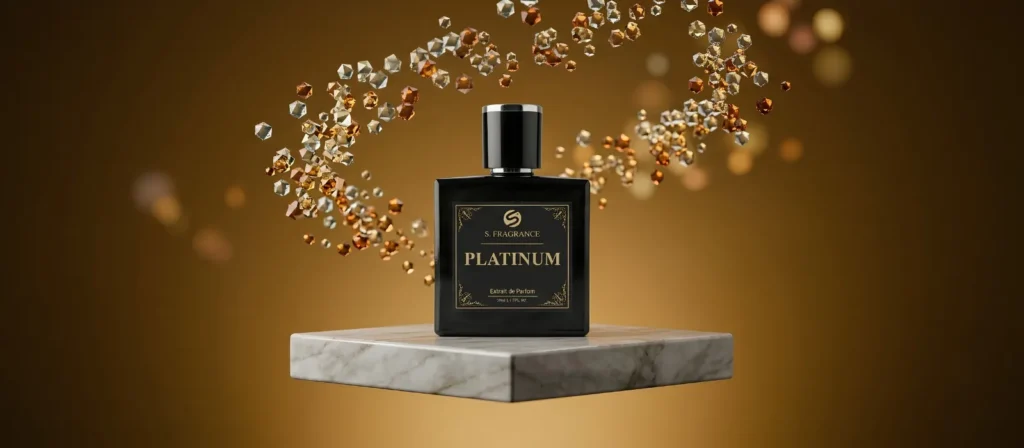
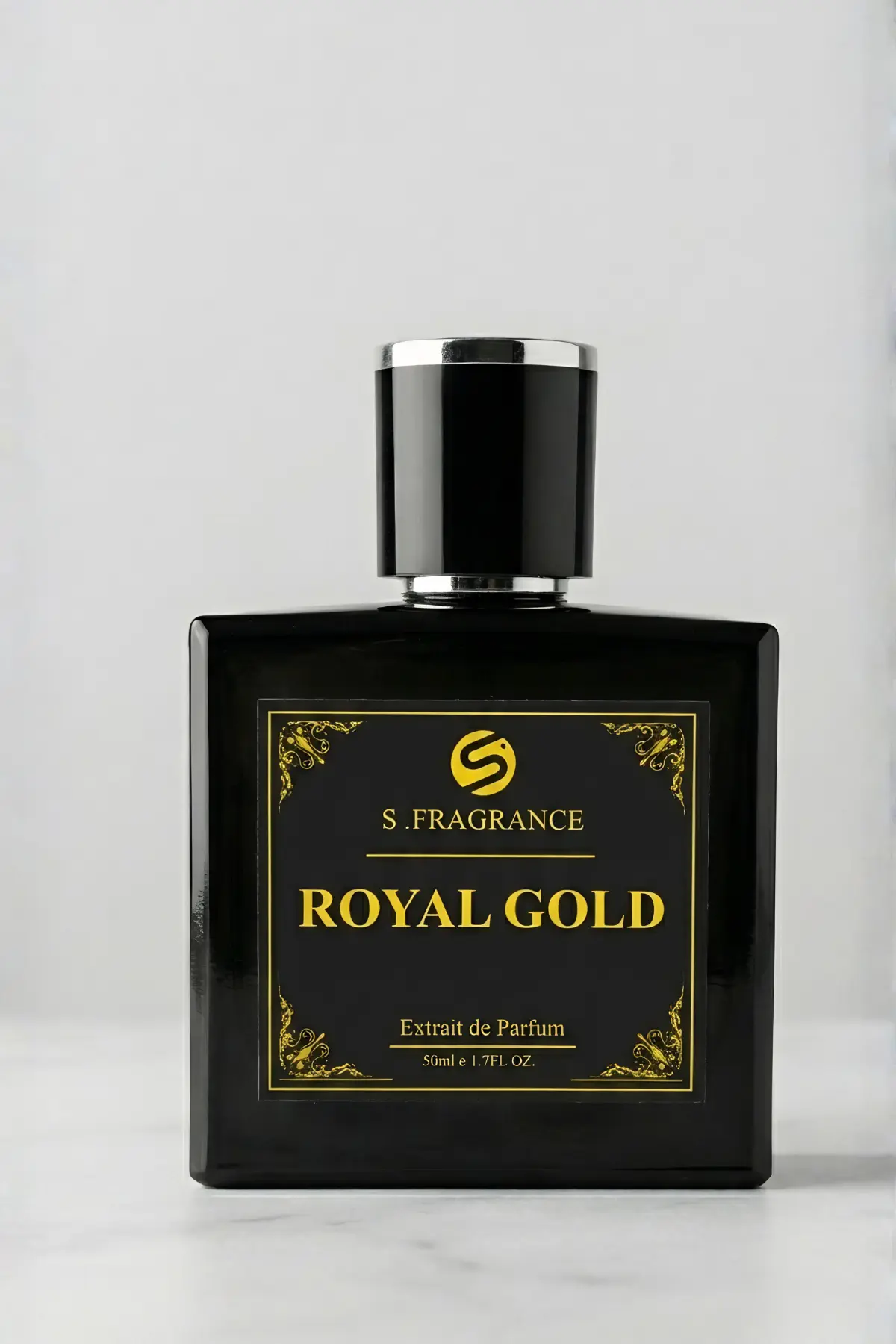
At S. Fragrance, we often get asked about the best ways to customize our collection. While the options are endless, there is one pairing that consistently creates a breathtaking result: our Silver and Crystal fragrances.
Understanding the Profiles:
• Silver (Inspired by Versace Eros): This is a powerhouse of confidence. It features vibrant mint, green apple, and lemon at the top, leading into a heart of tonka bean and geranium, with a base of cedarwood, oakmoss, and vanilla. It is bold, energetic, and undeniably masculine.
• Crystal (Inspired by Gucci Flora): A delicate, graceful scent that captures the essence of a spring garden. It features peony and citrus at the top, a heart of rose and osmanthus, and a base of patchouli and sandalwood. It is romantic, fresh, and sophisticated.
Why They Work Together
When you combine the bold, cooling energy of Silver with the soft, blooming floral elegance of Crystal, you create a "Fresh-Woody Floral" masterpiece. The vanilla and tonka in Silver provide a warm, sweet foundation, while the peony and rose in Crystal add a crisp, sophisticated layer that softens the intensity of the Eros-inspired base.
How to Apply:
When you combine the bold, cooling energy of Silver with the soft, blooming floral elegance of Crystal, you create a "Fresh-Woody Floral masterpiece. The vanilla and tonka in Silver provide a warm, sweet foundation, while the peony and rose in Crystal add a crisp, sophisticated layer that softens the intensity of the Eros-inspired base.
Expert Tip
The Science of Longevity in Layering
Layering not only improves your scent profile but can also help with longevity. When you apply a scent with a deeper base note first, it acts as an anchor for the more volatile, lighter notes. This creates a "barrier" that prevents the lighter top notes from evaporating as quickly, keeping your scent profile fresh for hours longer than if you wore a single fragrance alone.
|Frequently Asked Questions (FAQs)
Q: Can I layer fragrances from different brands? A: Absolutely! The rules of notes and composition are universal. Just be mindful of the "Heavy-to-Light" rule.
Q: Will layering ruin the original perfumes? A: Not at all. Since you are layering on your skin (or clothing), the liquids inside your bottles remain untouched and perfectly preserved.
Q: What if I don't like the result? A: That is the beauty of experimentation! If a combination doesn't work, you can simply wash it off with mild soap and try a different mix tomorrow.
Q: Does temperature affect my layered scent? A: Yes. Heat amplifies fragrance. In warmer months, you might want to lean towards lighter citrus-heavy combinations, while cooler weather is perfect for the deeper, woodier layers.
Conclusion
Perfume layering is more than a trend; it is a journey into the world of olfactory art. By understanding the basics of fragrance composition and not being afraid to experiment with combinations like Silver and Crystal, you are moving from being just a consumer of fragrance to becoming a creator of your own signature scent.
We want to hear from you! Have you ever experimented with perfume layering, or do you have a favorite combination of your own? Let us know in the comments below!
Want to master the art of scent even further? Read our guide on how to make your perfume last longer here.